

Few topics generate more debate among college football fans than kickoff times. Everybody has a preference, and every television window comes with its own set of advantages and headaches.
The noon kickoff crowd loves getting an early start. By midafternoon, the game is over, leaving plenty of time to celebrate a victory or drown the sorrows of a loss. Of course, there's also the matter of waking up at an ungodly hour if you plan on getting any serious tailgating done, as well as potentially dealing with a blistering sun.
The 3:30 p.m. kickoff offers something of a compromise. There's enough time to enjoy a proper tailgate without setting an alarm before sunrise. But it also lands smack dab in the middle of Saturday, making it difficult to do much of anything else. Between the game itself and the traffic afterward, your entire afternoon and much of your evening are spoken for.
Then there's primetime. An entire day of tailgating, the electric atmosphere of a stadium under the lights, and, especially in the South, the welcome relief of not baking in the afternoon sun. The downside? By the time the final whistle blows and you've battled your way out of the parking lot, you might not get home until well after midnight.
There's no universally correct answer. Some fans swear by noon kickoffs; others prefer the traditional afternoon window, and plenty wouldn't trade a Saturday night in Sanford Stadium for anything.
This is where it turns into less of a debate and more of a crusade for Georgia fans: It's one thing to prefer an afternoon kickoff. It's another entirely when the reigning back-to-back SEC champions rarely get to play at home in primetime.
Since the beginning of the 2024 season, Georgia has hosted just four games kicking off at 7 p.m. ET or later, including exactly zero so far in 2026. That lands at the bottom of the conference along with Arkansas and Mississippi State. While not all of these games are on the major networks, a primetime kickoff is still an exciting event for fans.
ALSO READ: Top 5 Georgia Matchups if the SEC and Big Ten reach scheduling agreement
For a program that has won consecutive SEC championships and established itself among college football's elite, that's a disparity worth questioning.
Georgia's primetime scheduling numbers tell an ugly story

The gap in the scheduling of home primetime, regular-season games cannot be ignored. The numbers above paint a frustrating picture for Georgia fans, and they become even harder to explain when compared to the rest of the SEC.
13 of the SEC's other 15 programs have hosted more primetime home games than Georgia since the start of 2024. And it's not like Georgia has lacked compelling matchups or national relevance. The Bulldogs have won back-to-back SEC championships, consistently played in games with major postseason implications, and remained one of college football's biggest television draws.
Yet Sanford Stadium has hosted only four games under the lights during this period: Tennessee and Georgia Tech in 2024, followed by Alabama and Texas in 2025. Georgia hasn't hosted a single primetime game through October 27 of the 2026 season, and it's doubtful that will change given that Georgia's remaining home games are against Missouri and Georgia Tech.
The contrast becomes even more wild when looking at Georgia's road schedule. The Bulldogs have played night games at Alabama (multiple times), Texas, and Auburn during this stretch, giving opposing fan bases the kind of electric atmosphere that Georgia fans rarely get to experience at home.
Yes, there are legitimate factors that can influence television scheduling, including broadcast contracts, network preferences, and the appeal of individual matchups. But those considerations don't make the disparity any less flagrant. If scheduling were penalties, ESPN and its affiliates would be guilty of targeting.
Georgia has earned its place among the SEC's elite programs, and its fans shouldn't have to look at the conference's primetime schedule and wonder why Sanford Stadium so rarely gets the spotlight.
ESPN and the SEC need to give Sanford Stadium its spotlight
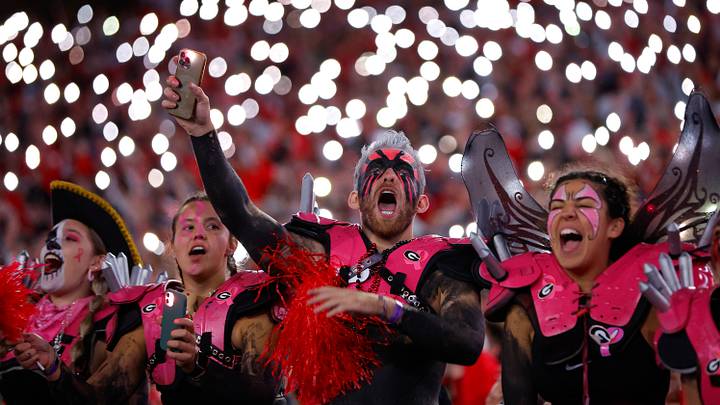
There's nothing like a Saturday night between the hedges. Sanford Stadium under the lights is one of the best atmospheres in college football, and Georgia fans have proven time and again that they're more than capable of delivering an environment worthy of a national television audience.
The problem is that they rarely get the opportunity.
With ESPN controlling the SEC's television rights, the network plays a major role in determining which teams receive the conference's most desired kickoff windows. And while television ratings, competing matchups, and broadcast logistics all factor into those decisions, it's hard to justify how one of the SEC's most successful programs has ended up at the bottom of the conference in primetime home opportunities.
This isn't about suggesting Georgia should play every home game at night. The traditional 3:30 p.m. ET kickoff still has its place in college football, and even noon games can produce memorable atmospheres when the stakes are high enough. But there's a difference between sharing the spotlight and barely getting a chance to enjoy it.
Georgia has won consecutive SEC championships, played in some of the biggest games in the country, and remained solidly in the national championship conversation. Yet the Bulldogs have received fewer primetime home kickoffs than nearly every other team in their own conference.
And that disparity isn't just frustrating for fans. Night games provide an opportunity to showcase a program's stadium, traditions, and fan base to a national audience. When Sanford Stadium is rocking under the lights, it's exactly the kind of scene that makes SEC football such a valuable television product in the first place.
Nobody is asking ESPN or the SEC to guarantee Georgia preferential treatment (they seem to reserve that for LSU). But a program with Georgia's accomplishments and national appeal should be getting more than four primetime home games across nearly three seasons.
Sanford Stadium has already earned its reputation as one of college football's premier venues. It's time ESPN and the SEC gave it more opportunities to show the rest of the country why, and gave Georgia fans more opportunities to enjoy the traditions and excitement that come with playing under the lights.
 Add us as a preferred source on Google